TL;DR
PwC global chairman Mohamed Kande has told the BBC that AI’s growth will likely lead to fewer entry-level graduate hires across professional services, as firms use AI models to automate data analysis work that previously required junior consultants. The company abandoned its 2021 target to hire 100,000 people over five years, though it struggles to fill hundreds of AI engineer positions. PwC cut over 5,600 roles globally last year.
Entry-Level Automation Creates Skills Gap Paradox
The accountancy giant’s hiring shift reflects a fundamental change in professional services workforce composition. Firms that previously hired PwC consultants to sift through data and documents now deploy AI models instead, transforming weeks of costly work into minutes. This capability directly threatens the junior positions that historically served as entry points to consulting careers—PwC hired 1,300 UK graduates and 3,200 US graduates last year in such roles.
Mohamed Kande frames the abandoned expansion target as responding to changed circumstances: “When we made the plans to hire that many people, the world looked very, very different. Now we have artificial intelligence. We want to hire, but I don’t know if it’s going to be the same level of people that we hire—it will be a different set of people.”
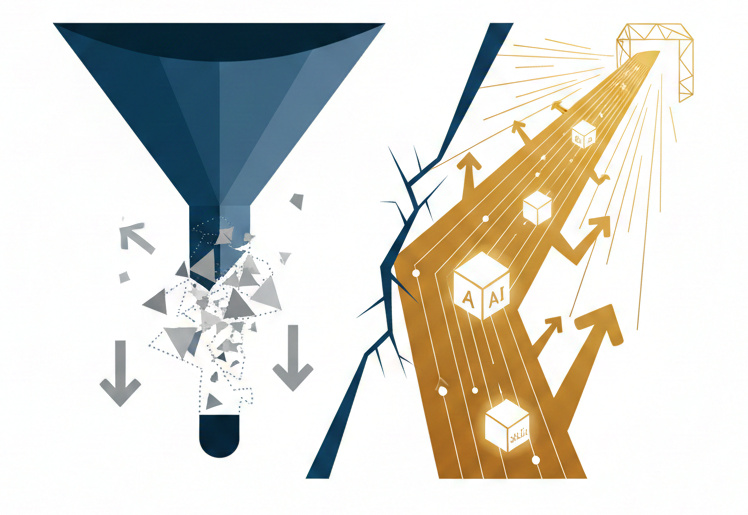
The paradox emerges in simultaneous scarcity: whilst junior analyst positions face displacement, PwC “cannot find” the hundreds of AI engineers it seeks to hire. The UK business boss has previously acknowledged AI is “certainly reshaping roles,” though Kande insists the AI boom creates “new jobs” overall—specifically in engineering and implementation rather than traditional consulting functions.
Beyond AI’s workforce impact, PwC benefits from broader economic uncertainty. Kande describes President Trump’s extensive tariff use as generating consulting demand: “We are receiving a lot of calls from many companies around the world asking how to navigate the current environment. It’s been good for us.” The firm positions AI integration advisory as central to future strategy, selling transformation expertise to clients whilst simultaneously experiencing internal workforce restructuring.
Looking Forward
The professional services employment pattern signals wider labour market transformation: automation eliminates traditional entry-level pathways whilst creating mid-career specialist demand that graduates cannot immediately fill. Whether firms develop new graduate training pipelines for AI roles, or whether professional services careers increasingly require prior technical experience, will determine accessibility of these industries to early-career workers. PwC’s experience suggests the transition period features simultaneous talent surplus (junior analysts) and critical shortage (AI engineers)—a mismatch with significant implications for graduate employment prospects.
Source: BBC News